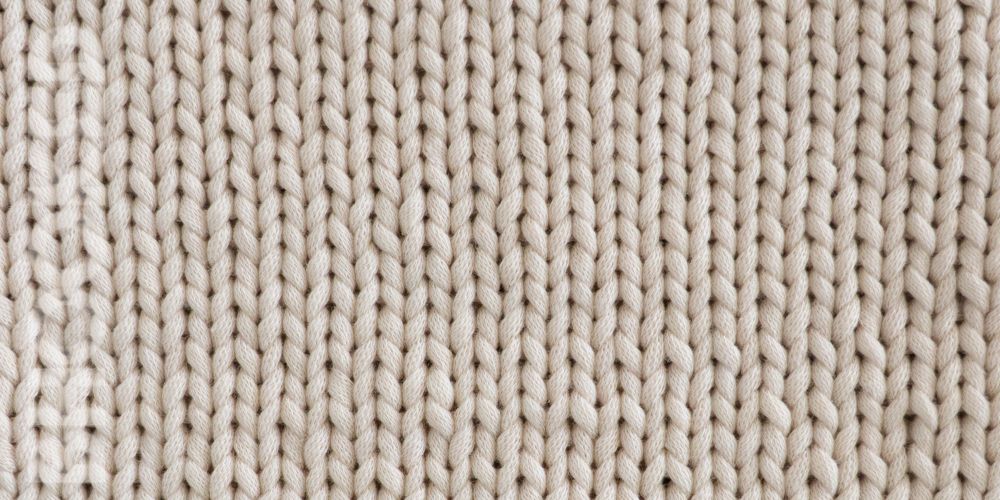
Ready to learn how to knit the seed stitch? This step-by-step tutorial will show you how to knit the classic knit seed stitch and give you tips for using this stitch in patterns.
UPDATED: FEBRUARY 17, 2025 BY BRITTANY
This post may contain affiliate links. See our Disclosure Policy for more information.

The knit seed stitch is a classic when it comes to knit scarves but its versatility makes it great for all sorts of projects.
Pair it with your favorite yarn and let your imagination run wild. The seed stitch is great for blankets, clothing, and even home decor projects.
While there are a couple different ways to knit a classic seed stitch like this one, I think this pattern is the easiest to learn for beginners. Plus its easy repetition makes it great for when you want to tune out and enjoy the stitching process.
In the rest of this tutorial, we’ll explore all aspects of the knit seed stitch: what it is, the easiest way to knit it, and what projects it’s best suited for. Plus I’ll answer some frequently asked questions so you don’t have to go searching for the answers you need.
Here’s a quick overview of the topics we’ll cover in this article:
- What is the Knit Seed Stitch?
- Knit Seed Stitch Tutorial
- Stitch Multiple
- Seed Stitch Abbreviations
- Knit Seed Stitch Step-by-Step Video
- Knit Seed Stitch Project Ideas
- More Beginner-Friendly Stitch Tutorials + Free Patterns
What is the Knit Seed Stitch?
The knit seed stitch is a beginner-friendly knitting stitch that has a wonderful, reversible texture. It’s a great stitch for beginner knitters to learn after mastering the garter stitch, and stockinette stitches.
It uses knit and purl stitches to create a bumpy texture that looks the same on both sides. It’s also one of the few knit stitches that doesn’t curl along the edge of the project, making it a great choice for projects like a scarf.

Knit Seed Stitch Tutorial
The knit seed stitch is incredibly versatile so you can pair it with just about any yarn in your stash from lightweight to super bulky. In order to see the stitch pattern best, choose a smooth yarn that’ll highlight and show off the pattern. Alternatively, you can pair it with a slightly textured yarn for an even more interesting look to your project.
Supplies
- Yarn: For practice, use medium-weight yarn. You’ll only need a small amount to make a practice swatch.
- 5 mm Knitting Needles
Pattern Notes
- There is no right or wrong side: the knit seed stitch is considered a reversible stitch, which means it looks the same on both sides.
- The following is the pattern for flat knitting; or knitting a flat piece back and forth, like for a scarf.
There are a couple different ways to knit the seed stitch. One way has you start with an even number of cast on stitches, and the other, an odd number of cast on stitches. Since the results will look the same for either option, I like to teach the way that starts with an odd number of cast on stitches because then there is only a single row to repeat. This is much easier for beginners!
Stitch Multiple
The knit seed stitch multiple is any odd number of cast on stitches.
This means that to start a seed stitch project with this stitch tutorial, you’ll need to cast on any odd number of stitches. Any cast on method you prefer should work just fine.
Seed Stitch Abbreviations
- CO Cast On
- K Knit
- P Purl
- Rep Repeat
- St(s) Stitch(es)
Cast on any odd number of sts.
Row 1: *K1, P1. Rep from * to end of row. Flip the work.
Repeat: Rep the last row until your project measures the length you want.
Bind Off: You can start the bind off at any point in the project. Knit the first stitch, then purl the next. Then pass the first loop over the last. Knit the next stitch. Then pass the first loop over the last. Continue in this manner, working one stitch at a time and passing the first loop over to bind it off. You should always knit the purls and purl the knits.
Knit Seed Stitch Step-by-Step Tutorial
Video not displaying? Watch this tutorial on YouTube instead.
Knit Seed Stitch Project Ideas
The knit seed stitch creates a light, reversible fabric with no holes or gaps. These qualities make it an excellent choice for projects where drape is important (clothing), where both sides will show (scarves), and projects where you don’t want a lacey look (blankets).
Here is a quick beginner-friendly seed stitch cowl to put your new skills to use. It’s a quick and easy make that’ll become a wardrobe staple!

More Beginner-Friendly Stitch Tutorials + Free Patterns
When you’ve mastered the two basic stitches: knits and purls, the next step is to use these stitches together to make up more interesting stitch patterns. Here are some more stitches for you to try next: