If you’re searching for knitting stitches for beginners, you’re in the right place! Whether you just picked up your first pair of needles or you’re getting back into knitting after a break, learning a few simple stitches can make all the difference.
The best knitting stitches for beginners are easy to remember, relaxing to repeat, useful in real projects, but also have just the right amount of challenge to them. Practicing them helps you feel more confident with your yarn and needles—without needing to follow a complicated pattern.
UPDATED: MAY 23, 2025 BY BRITTANY
This post may contain affiliate links. See our Disclosure Policy for more information.

In this post, I’m sharing six of my favorite knitting stitches for beginners. These are the kinds of stitches that look impressive, even if you’ve only been knitting for a week or two. They’re perfect for making scarves, dishcloths, and small swatches to build your skills, and you can incorporate them into some amazing projects in the future.
Why Practice Different Knitting Stitches for Beginners?
Practicing a variety of knitting stitches helps you get comfortable with how the yarn moves, how tension works, and how different patterns come together. It’s one of the best ways to gain confidence and improve your skills, especially if you’re not quite ready to follow a full pattern yet.
The more knitting stitches for beginners you try, the more you’ll understand how knitting works—and the more fun you’ll have along the way.
What do I need to try these stitches?
You don’t need anything fancy! Here’s a simple list to get started:
- Worsted weight yarn (something light in color so it’s easier to see your stitches)
- Knitting needles (size 8 [5mm] is a good beginner choice)
- Scissors
- A yarn needle for weaving in ends (optional, but handy)
If you want to keep things extra simple, just grab some yarn and needles and practice these knitting stitches for beginners as swatches. There’s no pressure to make anything “perfect” here—just enjoy the process. Each stitch pattern listed below will have all the info you need to get started!
5 Knitting Stitches for Beginners
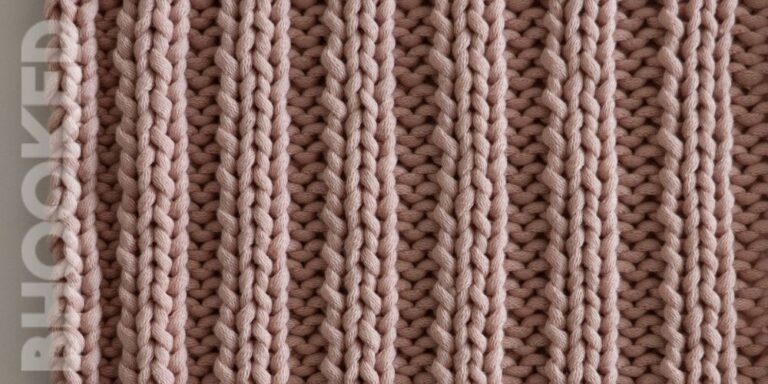
How to Knit an Easy Rib Stitch Knitting (Tutorial for Beginners)
If you’re just getting started with knitting, rib stitch knitting is one of the best techniques to learn early on. Not only is it simple and satisfying to stitch, but it also creates a stretchy, textured fabric that’s perfect for cuffs, edges, hats, and more. UPDATED: MAY 22, 2025 BY BRITTANYThis post may contain affiliate
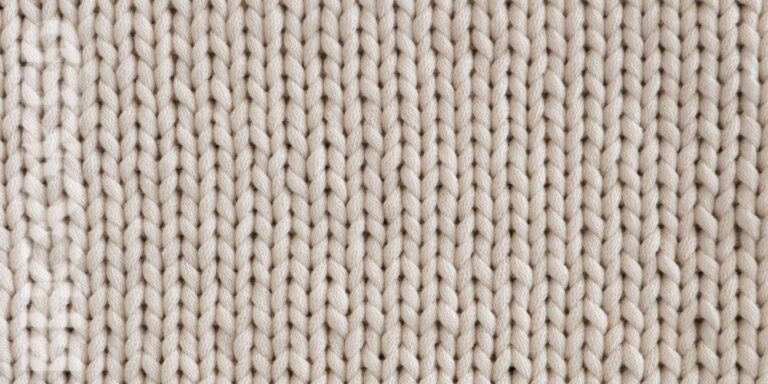
How to Knit Stockinette Stitch Step-by-Step for Beginners
The knit stockinette stitch is the “classic” knit stitch that’s recognized by even those who don’t knit. It creates fabric with a nice drape making it a great choice for sweaters and other wearables. But you’re not limited there! This is a great stitch for just about anything.
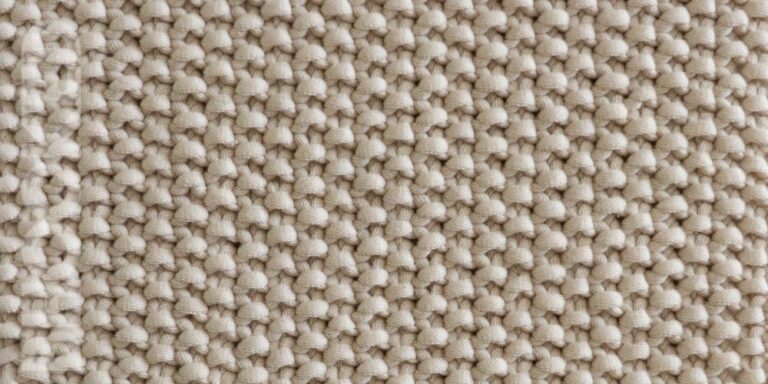
How to Knit Seed Stitch Step-by-Step for Beginners
The knit seed stitch is a great next stitch to learn after the stockinette and garter stitches. It uses knits and purls to create reversible texture that’s great for all sorts of projects. It’s also one of the new knit stitches that doesn’t curl!
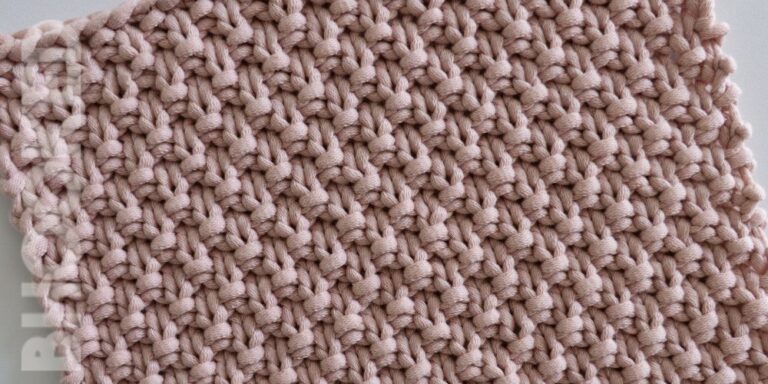
How to Knit Double Moss Stitch Step-by-Step
The knit double moss stitch is perfect for when you want a little texture for very little effort. A combination of alternating knits and purls makes this stitch come together with basic stitches you probably already know how to knit. It’s great for all sorts of projects from hats and scarves to pillows and blankets.
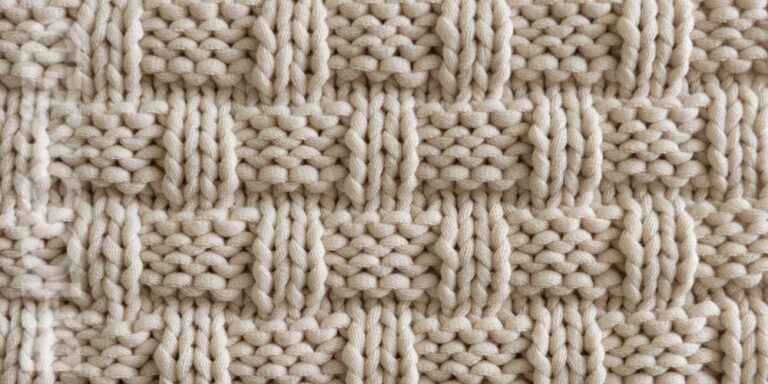
Knit Basket Weave Stitch
The knit basket weave stitch is a great way to add texture and depth to your project. It looks great on both sides, making it great for projects where both sides will show.
Tips for Practicing New Stitches
Now that you’ve got a list of knitting stitches for beginners to try, here are a few simple tips to help you make the most of your practice time. These aren’t rules—just helpful little tricks to make your knitting time more relaxing and fun.
1. Start with a small swatch
Don’t worry about making something “real” just yet. Try each stitch on a small square of about 20 stitches wide and 20 rows tall. These little swatches are a great way to get used to how each stitch feels.
2. Use the same yarn and needles at first
When you’re exploring new knitting stitches for beginners, it helps to keep the yarn and needle size consistent. That way, you’ll be able to focus on the stitch itself—not adjusting to different materials.
3. Don’t stress about mistakes
You’re learning! Mistakes are part of the process. If your stitch count gets off or your edges look a little wonky, that’s okay. Every knitter has been there—really.
4. Watch how your fabric behaves
Some stitches lay flat, while others curl or pull in. Part of learning knitting stitches for beginners is noticing how different patterns behave. It’ll help you choose the right stitch for future projects.
5. Take notes or photos
It can be helpful to jot down what you liked or didn’t like about each stitch. Or take a quick photo of each swatch so you remember what it looked like when you come back later.
6. Practice a little at a time
You don’t have to learn everything in one sitting. Try one or two new knitting stitches for beginners this week, then come back for more when you’re ready.
Common Questions About Beginner Knitting Stitches
Trying out new stitches can bring up a lot of questions—especially when you’re just getting started. Here are a few things many beginners wonder when exploring different knitting stitches for beginners.
Which stitch should I learn first?
The knit stitch is usually the first one to learn. It’s the building block of most beginner-friendly patterns. Once you’ve got that down, adding in the purl stitch opens the door to even more fun textures.
How do I know if I’m doing the stitch right?
The fabric should look neat and even, but don’t worry if it’s not perfect. If you’re following the instructions and your rows are coming together, you’re probably doing great! When in doubt, look up a video or photo of the stitch for comparison.
What’s the difference between a stitch pattern and a stitch?
Great question! A stitch (like knit or purl) is a single movement. A stitch pattern is a set of stitches repeated in a certain way to make a texture—like ribbing or seed stitch. All the knitting stitches for beginners in this post are simple patterns made up of basic stitches.
Can I use these stitches in real projects?
Yes! These knitting stitches for beginners are great for scarves, dishcloths, blankets, and even basic hats. Start with something simple and small—anything with straight edges is a good place to practice.
What if I mess up a row?
It happens to everyone. You can either “tink” back (knit spelled backwards, which means unknitting one stitch at a time), or just unravel the whole row and try again. The more you practice, the easier it gets to spot and fix mistakes.
6 Beginner Knitting Stitches to Try