If you’re like me, you want to use the best tools when you’re crocheting. That’s why you’re here – to find out the best crochet hooks to use.
Choosing the best crochet hook is a bit about personal preference, but this guide is here to help you figure that out. I won’t bombard you with countless options, just the two best hooks that I enjoy working with enough to recommend to a friend.
UPDATED: JANUARY 26, 2026 BY BRITTANY
This post may contain affiliate links. See our Disclosure Policy for more information.
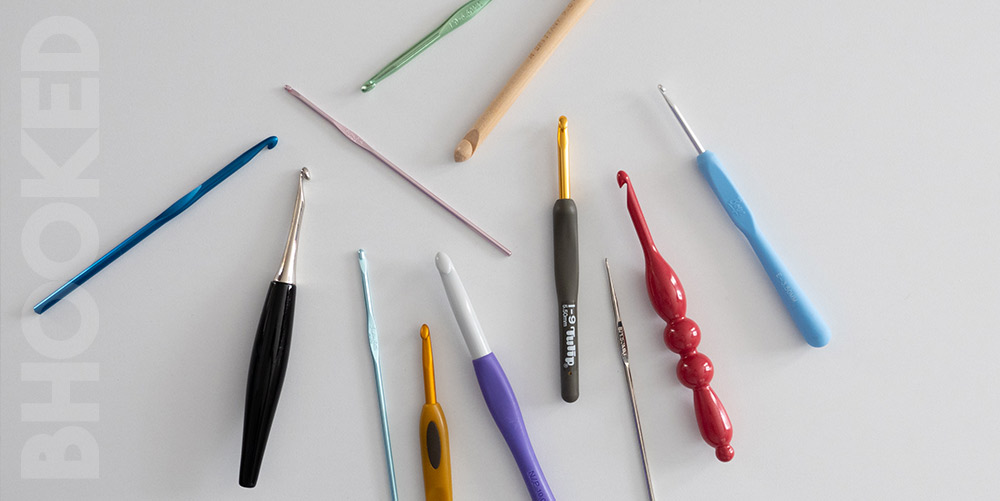
I’ve been crocheting for more than 10 years now, and 7 of those years have been professional. I’ve tried almost every hook out there, including hooks that cost $64 a piece, and still, I’ve been using the same set for 9 years.
I’m always up for trying a new hook, but I always come back to the same one.
I’ve learned that finding the best crochet hook for you involves knowing more about crochet hooks than just the size that’s printed on them. Before we get to those details, let me get straight to the point and share my top recommendation.
Tulip Etimo crochet hooks have been my favorite hooks to use for years.
However, before you rush to buy a set, let’s dive into those hook details first to make sure that these hooks will be the right fit for you.
Types of Crochet Hooks
Crochet hooks come in two main types: inline and tapered. Each type has its own special benefits, and picking the wrong one can really change how your crocheting goes.
The terms “inline” and “tapered” refer to the shape of the hook itself.


Inline crochet hooks have a head and shaft that are straight and make a neat, even line. They’re often the top pick for people who hold their crochet hook like they hold a pencil (a “pencil-grip”) because the yarn stays on the hook better for this crochet style.
Tapered hooks have a shaft that gradually narrows, and is usually favored by crocheters who hold their hook like a dinner knife (a “knife grip”) because the stitches are easier to work with in this style.
I personally use the “knife grip,” so my advice on the best crochet hook leans towards tapered ones. When I tried using inline crochet hooks with my grip, it just wasn’t a great fit.
Keep in mind, that there’s no right or wrong choice – it’s all about what you like best.

If you have a pencil grip crochet style, I can’t honestly say if you’ll enjoy working with either of my top hook recommendations on this page, but it still might be worth a try.
If you have a knife grip crochet style, these recommendations are definitely worth a try.
Looking for the best crochet hook size for your project?
While this page will help you find the best crochet hook type, our crochet hook sizing guide will help you figure out the best crochet hook size for your project.
Crochet Hook Materials to Consider
When it comes to hook materials, personal preference really comes into play. Each material “feels” different on the yarn, and leads to a different crocheting experience. Both of my best crochet hook recommendations fit into this first category of materials:
Aluminum Hooks: Aluminum hooks are the trusty workhorses of the crochet world. They’re lightweight, smooth, and glide effortlessly through your yarn. Perfect for most projects, these hooks are reliable and comfortable to use.

Steel Hooks: If you’re diving into thread crochet, say hello to steel hooks. They’re thin, sturdy, and ideal for those delicate, lacy creations.

Wooden Hooks: Wooden hooks add a touch of natural warmth to your crochet. They’re lightweight, gentle on your hands, and provide a comfortable grip. It’s a more “grippy” material, so it’ll hang on to the yarn more than aluminum hooks will.

If you think you might want to use wooden crochet hooks, but you’re still not sure, listen to this episode of the B.Hooked Podcast. I spoke with the owners of the popular wooden crochet hook brand, Laurel Hill, and they shared some excellent tips for anyone interested in wooden crochet hooks.
Plastic Hooks: Plastic hooks are great for beginners or when you need a cost-effective option. They’re lightweight and easy on your hands. It’s a “grippy” material so they’re great trainers for beginners who struggle to hold on to the yarn when making stitches.
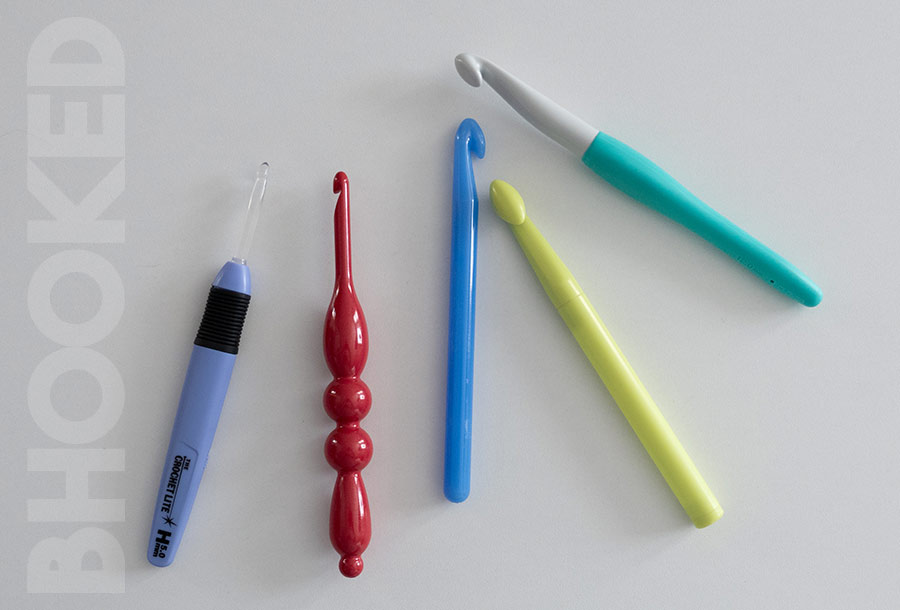
Fancy Materials: You might even stumble upon hooks made from unique materials like bamboo, glass, or even ceramic. These can add a touch of luxury and flair to your crochet if you’re into this sort of thing.
The material you choose can affect how comfortable your crochet sessions are. So, think about your preferences. Do you like the cool touch of metal, the warmth of wood, or the soft grip of plastic? Do your stitches feel awkward and look wonky when the yarn doesn’t glide smoothly over the hook?
Over time, you might find that you develop a personal connection with a certain material, but it’s important to experiment with as many hook materials as you can find to make this connection.
Crochet Hook Styles
When looking for the best crochet hook, there’s one more thing to consider: the style of hook that you want. There are two main styles of crochet hooks:
- Traditional
- Ergonomic
“Traditional” hooks are the hooks with no special grip. They’re the hooks you see pictured in the aluminum material section above.
“Ergonomic” hooks are any hook with a handle or special grip. It can be a thin, smooth grip, or wide and intricate.
You’ll find that either type of crochet hook (inline or tapered) in any of the materials (aluminum, steel, wooden or plastic) will fit into one of these styles.
Considering how crochet involves doing the same thing over and over, and how long you might have a hook in your hand, I’m a big fan of ergonomic crochet hooks. They’re more comfy to use, and I feel like I can keep working with them for longer periods.
Now that you’re familiar with hook types, materials and styles, it’s time to see if my best crochet hook will also be your best crochet hook.
My Personal Favorite Hooks to Use
Meet my trusty, nine-year-old set of Tulip Etimo crochet hooks. These hooks have made hundreds of projects and thousands of stitches, and they’re still my top choice after all this time.

Whenever someone asks me about the best crochet hooks, I don’t even have to think twice. In my opinion, Tulip Etimo crochet hooks are simply the best.
The smooth finish of these hooks makes it a breeze to work with various types of yarn and fibers, and I can crochet neater stitches more quickly than I can with any other hook.
They’re sturdy enough to handle macrame cord, like in my favorite crochet bag. Even after all these years, my Tulip hooks still look fantastic. The sizing label hasn’t worn off, and the hook finish has faded very little on the sizes I use most often.
But the main reason I adore them is the hook shape itself. They’re tapered (which is perfect for my knife grip style), but the angle is less “scooped” compared to a traditional Boye hook, for example.

For me, this means the yarn doesn’t get hung up in the hook in the motion of the stitches, and I can crochet faster. Admittedly, this takes a project or two to get used to, but it was smooth sailing once I built the new muscle memory.
If you want to read more about my experience with Tulip Etimo crochet hooks and why they’re my favorite crochet hooks, you can read more about it here.
Where to Buy Tulip Etimo Crochet Hooks
In most cases, you won’t be able to walk into your local craft store and buy a Tulip hook. Some local yarn stores might have them, but I found the most reliable place to buy them is on Amazon.
Tulip Etimo crochet hooks are sold individually, and sold in sets. I recommend buying the 6.5 mm hook individually and testing it out on a project before investing in the set.
The reason is, that this size specifically isn’t included in the set. So if you decide you love them and want the set later on, you won’t have duplicate sizes.
Color Options
Currently, Tulip Etimo crochet hooks are available in three color options:
- Black and Gold (like mine)
- Rose
- Red
If you’re shopping for these hooks on Amazon, you might also find a light blue set, but keep in mind that these are steel crochet hooks and include specialty small hook sizes used for lace and doily work.
Price
When it comes to price, Tulip hooks are somewhere in the middle. They’re more expensive than Boye, but less expensive than Furls.
When I bought my set in 2015, I paid just over $100 for it, and that felt like a big investment. But I had been crocheting consistently for a couple of years and felt like investing in a quality tool was a good move.
Knowing what I know now about the quality and how well they’ve held up over the years, I’m hardly thinking twice about treating myself to the rose set simply because I like the color better.
While you will save money in the long run by buying the set, that’s a lot of money to part with. Buying a size when you need it individually, might just be the way to go if you aren’t able to buy a set.
My Close Second Favorite Crochet Hooks
If Tulip Etimo crochet hooks aren’t your favorite, you might want to check out Clover Amour crochet hooks.
They have a similar comfortable handle, come in vibrant and fun colors, and their slightly textured, tapered crochet hook gives a bit more grip on the yarn compared to Tulips.
I’d describe the difference in how the hooks feel like the difference between matte and sheen. Clover Amour hooks feel more matte, and they’re nice to work with.

Another good thing about the Clover Amour hooks is that you can often find them at craft stores, either sold one by one or as a set. I took the same approach with these hooks as I recommend for anyone trying a new hook: buy one individually, see if you like it, and then invest in the set.
Similar to the Tulip Etimo, the Amour hook set doesn’t include a size 6.5mm. The 6.5mm Clover Amour is a plastic hook and is included in the jumbo hook set, which is also plastic, not aluminum like the other standard sizes.
That was the deciding factor for me between Clover Amour and Tulip Etimo. I personally don’t love working with plastic hooks, usually. I’m okay with plastic hooks in larger sizes (because that’s generally all that’s available in sizes 8mm and up), but not for the hook size I use most often.
However, they’re still great hooks and worth a try. When you’re ready to buy the set, even with a store coupon, the set on Amazon is usually a little bit cheaper.
When to Switch to a Different Crochet Hook
If a crochet hook doesn’t feel right, that’s usually your cue to switch. Changing hooks is a normal part of crocheting and often the easiest way to fix common problems and find the best crochet hook to use.
You might want to try a different crochet hook if:
- Your hands or wrists start to ache while you’re crocheting. A hook with a larger handle, lighter weight, or softer grip can make long crochet sessions more comfortable.
- Your stitches look uneven or inconsistent. Switching to a different hook style or brand might help your stitches sit more evenly on the hook.
- Your yarn keeps splitting. A smoother hook or a slightly different head shape can help the yarn glide better and catch fewer strands.
- Your tension feels too tight or too loose. Changing hook material or going up or down a hook size can help you find a more comfortable tension without forcing it. Just be sure to check your gauge if you are following a pattern so there are no sizing surprises.
- Your gauge doesn’t match the pattern. If your stitches are too small or too large, adjusting your hook size is expected — not a mistake.
If something feels off while you’re crocheting, don’t fight it. Switching crochet hooks is often the fastest way to get back into a comfortable rhythm and enjoy the process again.